
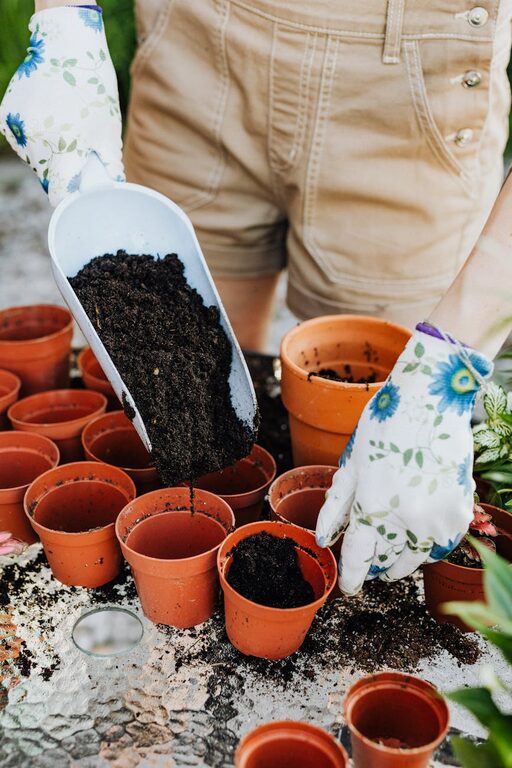
Creating a sustainable home garden is a rewarding way to enjoy fresh produce, support local wildlife, and reduce your environmental footprint. However, many people worry that starting a sustainable garden might be expensive or complicated. The good news is that with some planning and creativity, you can build an eco-friendly garden that fits your budget. Here are practical tips to help you get started.
Why Choose a Sustainable Garden?
Sustainable gardening focuses on using natural resources wisely and minimising waste. This means conserving water, enriching the soil naturally, encouraging biodiversity, and reducing chemical use. Achieving this doesn’t require costly equipment or fancy plants. Instead, it revolves around thoughtful choices that benefit both you and the planet.
Planning Your Garden on a Budget
1. Start Small and Expand Gradually
Trying to create a large garden at once can be overwhelming and costly. Begin with a modest plot or even containers on a balcony or windowsill. Starting small lets you learn what works best in your space, climate, and soil conditions. Over time, you can add more plants and features as your budget allows.
2. Choose Native and Easy-to-Grow Plants
Native plants are naturally adapted to your area’s conditions, making them more resilient and less demanding on resources like water and fertiliser. They also provide food and shelter for local wildlife. Look for seeds or seedlings of native vegetables, herbs, and flowers that thrive locally. This avoids costly failures and reduces maintenance.
3. Use Seeds Instead of Buying Mature Plants
Seeds are significantly cheaper than buying mature plants or seedlings. Many vegetables, herbs, and flowers can be grown easily from seed. Start seeds indoors or in small pots before transplanting outside. You can also save seeds from your plants to grow again next year.
Sustainable Gardening Practices to Save Money
4. Compost Your Kitchen and Garden Waste
Composting is an excellent way to recycle organic matter and produce your own nutrient-rich soil amendment. Collect vegetable scraps, coffee grounds, garden clippings, and dry leaves to create compost. Investing in a simple compost bin or making one from recycled materials is often free or low cost. Using compost reduces the need for chemical fertilisers.
5. Collect and Store Rainwater
Watering plants can be a significant expense and environmental burden. Use a rainwater butt or barrel to harvest rain running off your roof. This water is ideal for gardening and free once the initial setup is done. Be sure to place your water collector in a suitable location and maintain it properly to prevent mosquito breeding.
6. Mulch to Retain Moisture and Suppress Weeds
Mulching involves covering soil with organic materials such as straw, leaves, grass clippings, or wood chips. Mulch helps retain moisture, reducing watering needs, and keeps weeds at bay, saving time and effort. Use kitchen or garden waste as mulch instead of buying commercial products.
7. Reuse and Recycle Materials
Look around your home for pots, containers, wooden pallets, old buckets, or bricks that can be repurposed for planting or building garden structures. This reduces waste and saves money. For example, milk cartons can be cut and used as seed starters, while discarded pallets can become raised beds or compost bins.
Encouraging Wildlife and Pollinators
Creating a garden that supports bees, butterflies, birds, and other beneficial insects improves pollination and natural pest control. Include a variety of flowering plants that bloom at different times throughout the year. Avoid pesticides and herbicides that can harm helpful creatures. Instead, attract natural predators like ladybirds by planting diverse species.
Maintaining Your Garden Sustainably
8. Practice Crop Rotation and Companion Planting
Crop rotation involves changing the types of plants grown in a particular area each season to prevent soil depletion and reduce pests. Companion planting is growing crops together that support each other, such as beans with corn. These methods improve yield and reduce the need for fertilisers and pesticides.
9. Harvest Rainwater and Use Greywater Where Possible
In addition to rainwater, consider using greywater—wastewater from baths, sinks, or washing machines that isn’t contaminated—for irrigation. Be sure to research safe greywater practices to avoid harming your plants or soil.
10. Keep Learning and Connecting
Join local gardening groups or online forums focused on sustainable gardening. Sharing tips and resources can save money, provide new ideas, and strengthen your community. Some groups offer seed swaps, plant giveaways, or shared tools that help reduce costs.
Final Thoughts
Creating a sustainable home garden on a budget is more than achievable. By starting small, using native plants, recycling, and embracing natural gardening methods, you can enjoy a thriving garden that protects the environment and your wallet. Remember that gardening is a journey—patience and observation help you improve over time. Happy gardening!
About the Author