
Creating a home office that is both sustainable and organised can greatly enhance your work experience. Not only does it help the environment, but it also promotes focus and efficiency. Whether you work from home full-time or occasionally, designing a space that reflects these values is worth the effort. Below are some thoughtful tips to guide you in creating a home office that is kind to the planet and keeps you productive.
Why Choose a Sustainable Home Office?
Before we dive into specific tips, it’s helpful to understand why sustainability matters in your workspace. Sustainable choices reduce your carbon footprint, conserve resources, and often lead to healthier environments free from harmful chemicals. Plus, an organised space reduces stress and saves time, allowing you to concentrate on your tasks.
1. Select Eco-Friendly Furniture and Equipment
Opt for Sustainable Materials
When choosing desks, chairs, or shelves, look for items made from reclaimed wood, bamboo, or recycled materials. These options support forest conservation and reduce waste.
Second-Hand and Upcycled Pieces
Consider buying second-hand furniture or refurbishing old items. Vintage or upcycled pieces add character and reduce demand for new manufacturing.
Energy-efficient Electronics
Use energy-saving computers, monitors, and lighting. Look for products with energy ratings or certifications like Energy Star to minimise electricity use.
2. Create Smart Storage Solutions
Declutter Regularly
Keep your desktop clear by sorting paperwork and digital files frequently. Regular decluttering helps maintain order and reduces unnecessary accumulation.
Use Vertical Space
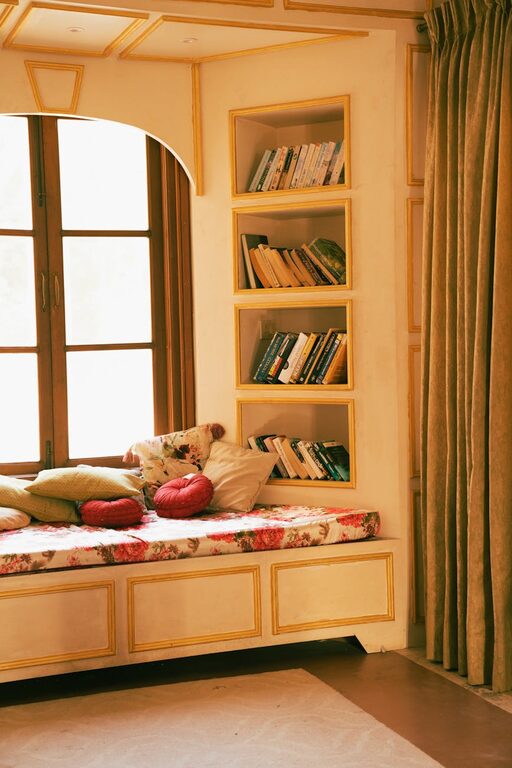
Install shelves or wall-mounted organisers to keep documents and office supplies off your desk. This maximises limited space and makes cleaning easier.
Label Everything
Clearly mark storage boxes, drawers, and folders. Labelling saves time searching for items and encourages tidiness.
3. Minimise Paper Usage
Go Digital Where Possible
Switch to cloud storage and digital notes to reduce paper waste. Tools like note-taking apps, online calendars, and project management software can replace many paper-based methods.
Use Recycled Paper
When printing is unavoidable, choose recycled paper and print double-sided to save resources.
Recycle Responsibly
Keep a bin specifically for paper recycling near your desk. This encourages proper disposal and reduces landfill waste.
4. Prioritise Natural Light and Air Quality
Position Your Desk Near a Window
Natural light improves mood and reduces reliance on artificial lighting. Try to work near a window for the best light during the day.
Use Plants to Clean the Air
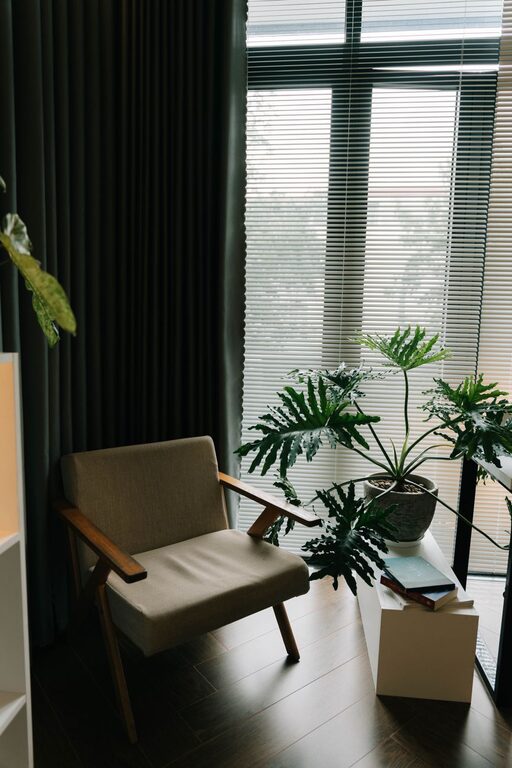
Indoor plants not only brighten the space but also filter toxins and improve air quality. Easy-to-care-for varieties like spider plants or snake plants are ideal for offices.
Ventilate Regularly
Open windows when possible to allow fresh air in, preventing stuffiness and keeping you alert.
5. Choose Sustainable Lighting Options
LED Bulbs
Replace incandescent bulbs with LED ones. They use less energy and last much longer.
Task Lighting
Add adjustable desk lamps for focused illumination to avoid lighting the whole room unnecessarily.
Timers and Sensors
Consider installing timers or motion sensors to turn lights off automatically when the room is unoccupied.
6. Manage Cables and Electronics Wisely
Use Cable Organisers
Tidy up cords with clips or cable sleeves to prevent tangles and hazards.
Unplug Devices
Switch off or unplug devices when not in use to reduce energy consumption (known as ‘phantom power’).
Choose Multi-Functional Gadgets
Combining multiple functions in a single gadget reduces clutter and the need for extra devices.
7. Incorporate Personal Touches Mindfully
Minimal, Meaningful Decor
Add a few personal items such as photos or artwork to encourage comfort and creativity. Avoid overcrowding to maintain focus.
Use Sustainable Materials
Select decorations made from natural materials like wood, cotton, or recycled items.
Keep It Simple
A clean, simple design helps create a calm atmosphere and keeps distractions to a minimum.
Conclusion
A sustainable and organised home office is achievable with thoughtful choices and regular upkeep. By selecting eco-friendly furniture, reducing waste, maximising natural light, and maintaining order, you create a workspace that supports your wellbeing and the environment. Small changes can have a big impact, so start with one or two tips and gradually transform your home office into a green and efficient haven.
Remember, the goal is to build a space where you can work comfortably and consciously—good for you and the planet. Happy organising!
About the Author