
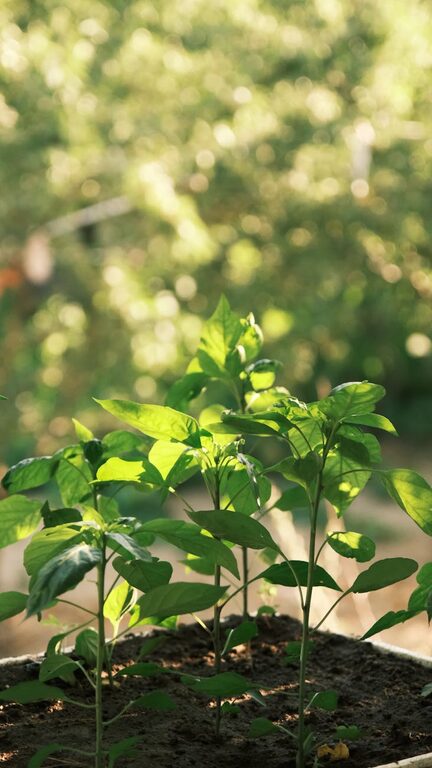
Creating a sustainable and eco-friendly home garden is a rewarding way to connect with nature while reducing your environmental impact. Whether you have a small balcony or a spacious backyard, cultivating a garden that respects the planet can improve biodiversity, conserve resources, and provide fresh, healthy produce or beautiful flowers. This guide offers practical tips for building a greener garden that supports sustainability without overwhelming your time or budget.
Why Choose a Sustainable Garden?
Sustainable gardening focuses on maintaining a healthy ecosystem by working with nature rather than against it. Instead of relying on synthetic chemicals or wasteful practices, it prioritises soil health, water conservation, and native plants. Benefits include:
– Reduced environmental harm
– Lower water and energy usage
– Support for pollinators and beneficial wildlife
– Healthier soil and plants
– Homegrown produce or natural beauty year-round
Plan Your Garden Thoughtfully
A well-designed garden maximises resources and minimises waste.
Choose the Right Plants
– Opt for native plants which thrive naturally in your local climate and soil conditions, requiring less water and care.
– Select drought-tolerant species if you live in areas prone to dry spells.
– Mix vegetables, herbs, and flowers to encourage biodiversity.
– Avoid invasive species that could disrupt your local environment.
Location and Layout
– Position sun-loving plants where they will get adequate light but provide shade to those needing protection.
– Incorporate companion planting – some plants help each other grow and reduce pests.
– Consider raised beds or container gardening to manage soil quality and drainage efficiently.
Build Healthy, Nutrient-Rich Soil
Healthy soil is the foundation of any sustainable garden.
– Use organic compost made from kitchen scraps and garden waste to enrich soil naturally.
– Add mulch around plants to retain moisture and suppress weeds.
– Avoid chemical fertilisers; instead, use natural options like manure, bone meal, or seaweed extracts.
– Practice crop rotation in vegetable gardens to prevent nutrient depletion and pest buildup.
Conserve Water Smartly
Water is a precious resource, so using it wisely is essential.
– Install a rainwater collection system to irrigate your garden.
– Water in the early morning or late evening to reduce evaporation.
– Use drip irrigation or soaker hoses which deliver water directly to plant roots.
– Group plants with similar water needs together to avoid overwatering.
Support Wildlife and Pollinators
A thriving eco-friendly garden invites beneficial creatures that help keep the ecosystem balanced.
– Plant a variety of flowers that bloom at different times to provide nectar throughout the growing season.
– Include native wildflowers and flowering shrubs to attract bees, butterflies, and other pollinators.
– Set up bird feeders, insect hotels, or a small pond to create habitats.
– Avoid pesticides; instead, encourage natural predators like ladybirds and birds to control pests.
Reduce Waste and Reuse Materials
Minimising waste helps close the garden’s ecological loop.
– Repurpose items like old containers or pallets for pots and garden furniture.
– Use fallen leaves and grass clippings as mulch or compost ingredients.
– Choose biodegradable plant pots and avoid single-use plastics.
– Collect seeds from your own plants to sow next season.
Choose Eco-Friendly Tools and Practices
Your gardening habits can also support sustainability.
– Use manual or electric tools rather than petrol-powered ones to reduce emissions.
– Maintain tools regularly to prolong their life.
– Avoid synthetic weedkillers; opt for manual weeding or natural solutions like vinegar sprays.
– Adopt no-dig gardening methods to protect soil structure and beneficial organisms.
Seasonal Care and Continuous Learning
Sustainable gardening is an ongoing process.
– Adjust your gardening routine to seasonal changes to conserve resources.
– Rotate crops and update planting lists yearly to maintain soil fertility.
– Record observations in a garden journal to track successes and challenges.
– Stay informed about sustainable gardening techniques through local workshops, online resources, and gardening groups.
Final Thoughts
Creating a sustainable and eco-friendly home garden doesn’t require a complete overhaul of your space or lifestyle. By making mindful choices—from plant selection to water use and waste reduction—you can craft a garden that nurtures both the environment and your wellbeing. Over time, your garden will become a haven for wildlife and a beautiful, productive space all year round. Happy gardening!
About the Author