
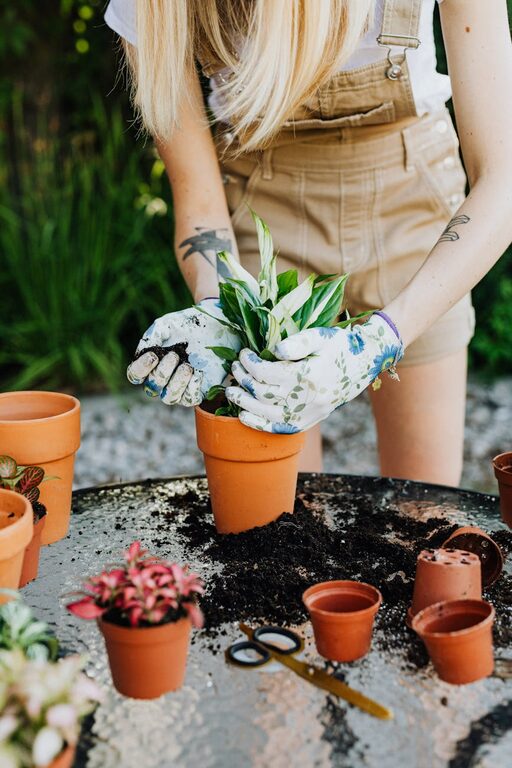
Creating a home garden that looks beautiful and serves a purpose throughout the year is a rewarding project. Whether you have a small patio space or a large backyard, with a little planning and care, you can enjoy fresh greenery, flowers, and even home-grown produce in every season. This guide will walk you through straightforward steps to develop a garden that remains attractive and functional all year round.
Plan Your Garden According to Your Space and Needs
Before digging or planting, assess your available space and think about what you want from your garden. Are you hoping for vibrant flower beds, a vegetable patch, or a combination? Consider sunlight, soil type, and how much time you can realistically dedicate to maintenance.
Choose a Garden Style That Suits You
– Formal gardens: Neat lines, geometric shapes, and structured planting beds.
– Informal gardens: Free-flowing designs with natural plant groupings.
– Mixed-use gardens: Combine ornamental plants with edible ones like herbs and vegetables.
Planning your layout on paper or with garden design apps can help visualise your ideas and make the best use of your space.
Select Plants That Thrive in Your Climate All Year
Choosing the right plants is crucial to maintaining year-round interest and productivity.
Focus on Seasonal Planting
– Spring: Consider bulbs such as daffodils and tulips, and early vegetables like peas and lettuce.
– Summer: Plant vibrant annuals like marigolds, sunflowers, and tomatoes in your vegetable plot.
– Autumn: Incorporate hardy perennials and vegetables such as kale and Brussels sprouts.
– Winter: Select evergreens and winter-flowering shrubs like hellebores to keep colour and structure.
Mix evergreen shrubs, deciduous trees, and perennials with staggered flowering times for continuous appeal.
Use Containers for Flexibility
Pots and planters allow you to move plants indoors or to sheltered areas during extreme weather. This is ideal for tender plants you want to grow outside only during warmer months.
Prepare the Soil and Garden Beds Properly
Healthy soil is the foundation of any thriving garden.
– Test your soil to determine pH and nutrient levels.
– Add organic matter like compost or well-rotted manure to improve soil structure.
– Mulch your beds to retain moisture, suppress weeds, and protect roots during cold months.
Raised beds can improve drainage and make gardening easier on your back, while also providing a defined area for planting.
Establish a Watering and Maintenance Routine
Consistent care will keep your garden flourishing throughout the year.
– Water plants deeply but less frequently to encourage strong root growth.
– Prune shrubs and deadhead flowers to promote healthy new growth.
– Rotate crops in vegetable beds annually to reduce soil depletion and pests.
– Keep an eye on weeds and pests, dealing with them early to prevent damage.
Installing a simple rainwater collection system or an automated drip irrigation can help conserve water and save effort.
Add Features to Enhance Beauty and Function
Besides plants, thoughtful garden features can improve usability and aesthetics.
– Paths and borders: Define walkways with gravel or stone and create raised or edged planting beds.
– Seating areas: Install benches or a small table to relax and enjoy your garden.
– Bird feeders and baths: Encourage wildlife, adding life and interest.
– Garden lighting: Outdoor lights extend usability into the evening and highlight features.
These elements make your garden inviting and practical all year round.
Embrace Sustainable Gardening Practices
Creating a functional garden all year benefits from eco-friendly habits.
– Compost garden and kitchen waste.
– Avoid chemical pesticides by encouraging natural predators and companion planting.
– Use rainwater harvesting to reduce water waste.
– Plant native species to support local wildlife.
Sustainability not only helps the environment but also creates a resilient garden that can adapt to changing conditions.
Conclusion
With a thoughtful approach to planning, plant selection, soil preparation, and ongoing care, you can enjoy a beautiful and productive home garden every season. Remember, gardening is a journey, so take time to learn and adjust your methods as you go. The rewards of fresh flowers, home-grown food, and a tranquil outdoor space are well worth the effort. Happy gardening!
About the Author