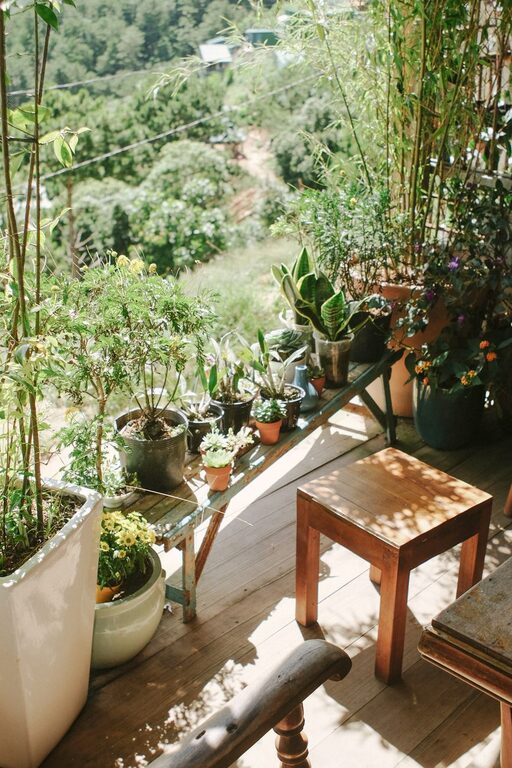
Creating a relaxing home garden space is a wonderful way to bring peace and enjoyment to your everyday life. Whether you have a small balcony or a spacious backyard, designing a garden that invites relaxation can enhance your wellbeing and provide a lovely spot for reflection, reading, or socialising. Here are some helpful tips to guide you in crafting a tranquil garden area that suits your needs.
1. Choose the Right Location
The first step in creating a soothing garden space is selecting the ideal spot in your garden or outdoor area. Consider areas that get pleasant natural light but also offer some shade during warmer periods. A corner that is somewhat sheltered from wind or noise can help create a calm atmosphere.
Think about the views from inside your home, too. Placing your garden space where it is visible from common rooms can extend your sense of calm throughout your living area.
2. Select Comfortable Seating
Comfortable seating is essential for enjoying your garden space. Choose weather-resistant chairs or benches with cushions to invite long periods of relaxation. A hammock or swing chair can add an extra level of comfort and fun.
If you plan to entertain guests, consider seating arrangements that encourage conversation, such as a small table with several chairs or a cosy bench set.
3. Focus on Soothing Colours and Materials
Colours and materials influence the mood of your garden. Soft greens, blues, and earthy tones tend to be calming. Use these colours in your plant choices as well as in accessories like cushions, pots, and garden ornaments.
Natural materials such as wood, stone, and wicker can create a warm, grounding feel. Avoid overly bright or harsh colours that may feel stimulating rather than relaxing.
4. Incorporate Plants that Promote Calm
Plants are the heart of any garden space and can greatly contribute to relaxation. Consider adding:
– Lavender: Known for its gentle fragrance and calming properties.
– Ferns and Grasses: Their soft textures sway in the breeze and add movement.
– Herbs: Mint, chamomile, or lemon balm offer pleasant scents and can be used in teas.
– Flowering Plants: Choose soft-coloured blooms like whites, pale pinks, or purples to add serenity.
Also, try to include plants that attract wildlife such as butterflies and bees, as the presence of nature can lift your spirits and encourage mindfulness.
5. Create Privacy and Quiet
Privacy helps you unwind, so consider options like tall plants, trellises with climbing vines, or garden screens to shield your space from neighbours or busy areas. A small water feature, such as a fountain or pond, can also mask background noise while adding a gentle sound element that is both soothing and natural.
6. Add Personal Touches
Include elements that make the space feel personal and inviting. This could be artwork, wind chimes, fairy lights, or handmade garden decorations. Items with sentimental value can deepen your connection with the space.
Remember to keep clutter to a minimum so the area remains serene and easy to maintain.
7. Use Lighting to Set the Mood
Outdoor lighting can extend your relaxation time into the evening. Soft solar lights, lanterns, or string lights create a warm and welcoming glow without being overpowering. Position lights to highlight paths, plants, or seating areas for a magical effect after dusk.
Avoid harsh or bright lights that can disrupt the peaceful vibe you want to create.
8. Maintain a Tidy and Healthy Garden
A well-cared-for garden promotes relaxation by reducing distractions and helping you feel connected to nature. Regularly water and prune your plants, clear away weeds, and tidy up debris. A neat space invites you to spend time there and can be very rewarding to care for.
9. Incorporate Aromatherapy
Scent can profoundly influence mood. Using essential oils or planting fragrant flowers and herbs is an easy way to include aromatherapy in your garden. Consider pots of rosemary, jasmine, or gardenia, which provide natural fragrance that supports relaxation.
10. Design Zones for Different Activities
If your garden space allows, design different zones. One could be a place for meditation or yoga, another for reading, and a third for dining or socialising. This helps to keep the space engaging and flexible to your needs.
—
Final Thoughts
Creating a relaxing home garden space is about combining comfort, nature, and personal style. With thoughtful planning, your garden can become your own little sanctuary — a place to unwind, recharge, and enjoy the simple pleasures of the outdoors.
Remember, relaxation is individual, so tailor your garden setup to what makes you feel peaceful and happy. Happy gardening!
About the Author