Creating a home office that balances relaxation and productivity can significantly improve your work-from-home experience. When your workspace is comfortable and functional, you feel motivated, focused, and less stressed. Whether you’re setting up a new office or refreshing an existing one, these helpful tips will guide you towards creating an environment that supports both your mental well-being and efficiency.
Choose the Right Location
The first step in designing an ideal home office is selecting the right spot. Consider an area of your home that is away from heavy foot traffic and noise. If possible, pick a space with natural light, as this can enhance mood and reduce eyestrain.
Tips for location:
– Avoid placing your desk facing a wall; a view or at least some open space can reduce feelings of confinement.
– If space is limited, use room dividers or screens to create a designated office nook, separating work from leisure areas.
– Ensure the spot has sufficient power outlets for your devices.
Invest in Ergonomic Furniture
Your comfort is crucial for productivity. Ergonomic furniture helps prevent aches and promotes good posture throughout your workday.
Essential pieces to consider:
– Chair: Choose an adjustable chair with lumbar support and a cushioned seat.
– Desk: Find a height that suits you, or consider adjustable desks that allow you to alternate between sitting and standing.
– Keyboard and Mouse: Ergonomic designs can prevent strain on your wrists.
Keep It Organised and Clutter-Free
A tidy workspace can help maintain focus and reduce stress.
Organisation tips:
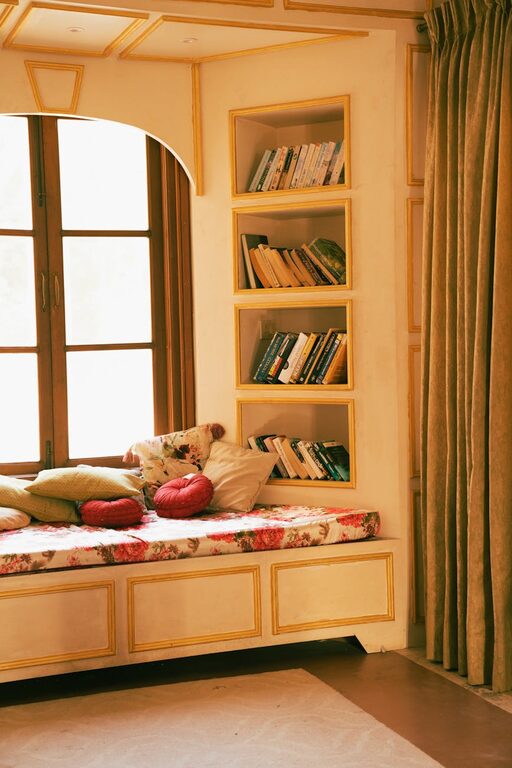
– Use shelves or storage boxes to keep papers and supplies out of sight.
– Keep only what you need daily within easy reach.
– Use cable organisers to reduce wire clutter around your desk.
Personalise Your Space
Adding personal touches makes the office inviting and boosts comfort, which can enhance productivity.
Suggestions:
– Display photos or artwork that inspire you.
– Incorporate colours that make you feel calm or energised; blues and greens are often associated with relaxation.
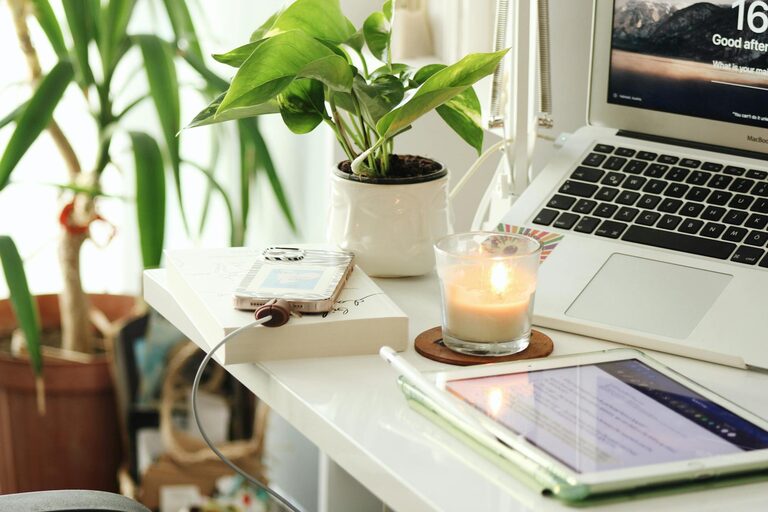
– Add a few favourite books or plants to bring life to your desk.
Manage Lighting Effectively
Lighting impacts your alertness and reduces eye strain.
Lighting tips:
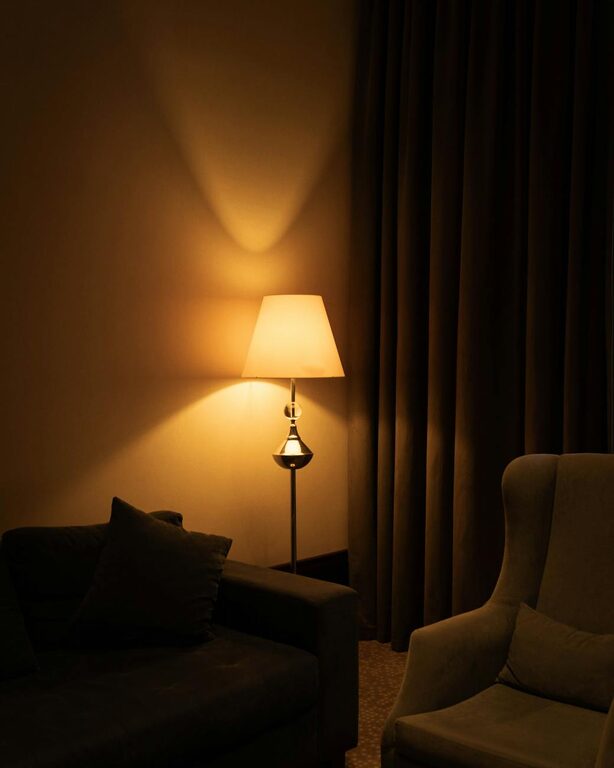
– Maximise natural lighting whenever possible.
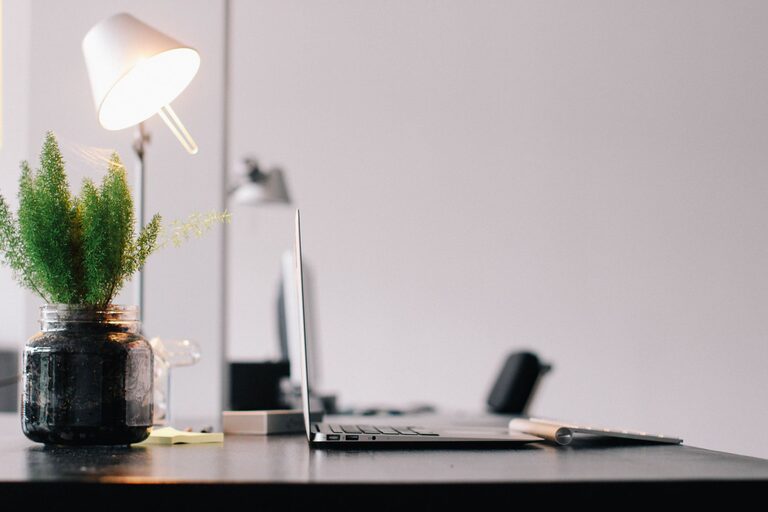
– Use a desk lamp with adjustable brightness for focused tasks.
– Avoid harsh overhead lighting or glare on your computer screen.
Control Noise Levels
Noise can be distracting and interrupt your workflow.
To maintain a peaceful environment:
– Use noise-cancelling headphones if you cannot control ambient noise.
– Consider adding soft furnishings, like rugs or curtains, which help absorb sound.
– If background noise is unavoidable, try gentle background music or white noise to mask distractions.
Incorporate Elements for Relaxation
Taking breaks is essential to avoid burnout. Your home office should encourage moments of relaxation.
Ways to incorporate relaxation:
– Have a comfortable chair or cushion where you can take short breaks.
– Keep a water bottle nearby to stay hydrated.
– Try aromatherapy with subtle scents like lavender or eucalyptus to create a calming atmosphere.
Set Boundaries and Maintain Routine
A productive environment also depends on how you manage your work time.
Helpful strategies:
– Define working hours and stick to them.
– Communicate your schedule to others in your household.
– Use reminders or timers to take short breaks and stretch.
Use Technology to Your Advantage
Technology can help streamline your work and reduce frustration.
Useful tools:
– Invest in a good-quality headset or microphone for calls.
– Use task management apps to organise your workload.
– Ensure your internet connection is reliable to avoid interruptions.
Keep Air Quality Fresh
Good air quality impacts alertness and health.
Ways to improve air in your office:
– Open windows regularly to let in fresh air.
– Keep indoor plants that purify the air.
– Use air purifiers if necessary, especially in enclosed spaces.
Final Thoughts
Creating a home office that is both relaxing and productive requires attention to comfort, organisation, and environment. By choosing a good location, investing in ergonomic furniture, managing lighting and noise, and incorporating elements that encourage relaxation, you set yourself up for success. Remember that your workspace should support not only your tasks but also your wellbeing. With these tips, you can build a home office that feels just right for you.
About the Author