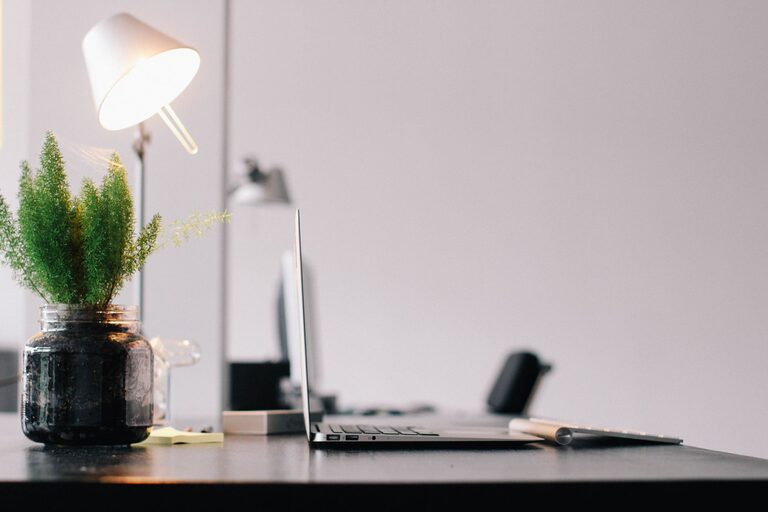
Creating a productive home office space is essential for working comfortably and efficiently from home. Whether you are telecommuting full-time or occasionally working remotely, having a dedicated and well-organised workspace can significantly improve your concentration and output. Here are some helpful tips on setting up a home office that encourages productivity and keeps distractions at bay.
Choose the Right Location
The first step to crafting a productive home office is choosing the right spot in your home. Ideally, select a quiet area away from high-traffic zones such as the kitchen or living room. If possible, choose a room with a door so you can close it to reduce noise and interruptions. If space is limited, a corner of a larger room can work well, provided you can clearly define the area as your workspace.
Prioritise Comfort and Ergonomics
Spending long hours at a desk requires furniture that supports your body properly. Invest in an ergonomic chair that promotes good posture and reduces strain on your back and neck. Your desk should be at a comfortable height, and your computer screen positioned so that your eyes are level with the top of the monitor to avoid neck strain.
Consider using a footrest if your feet don’t sit flat on the floor, and ensure there is enough space under the desk to move your legs freely. Paying attention to ergonomics will help prevent discomfort and fatigue, making it easier to focus on your tasks.
Maximise Natural Light and Add Quality Lighting
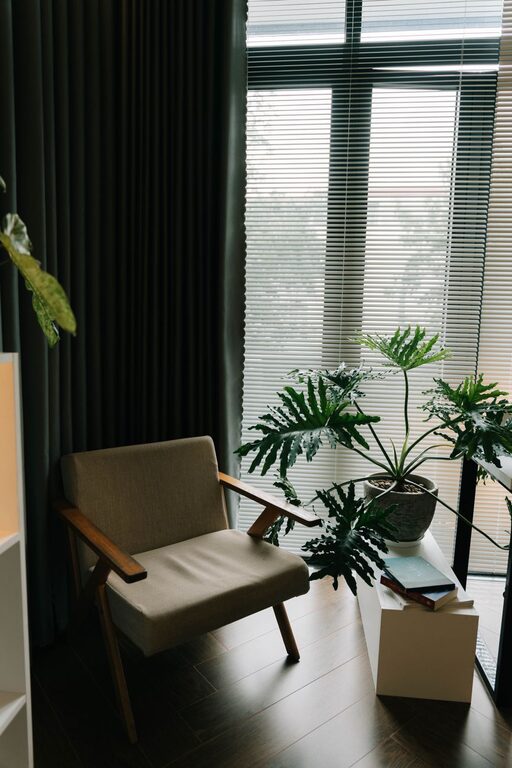
Natural light is one of the best ways to improve mood and productivity. Set up your desk near a window if possible, to take advantage of daylight. However, be mindful of glare on your computer screen by using adjustable blinds or curtains.
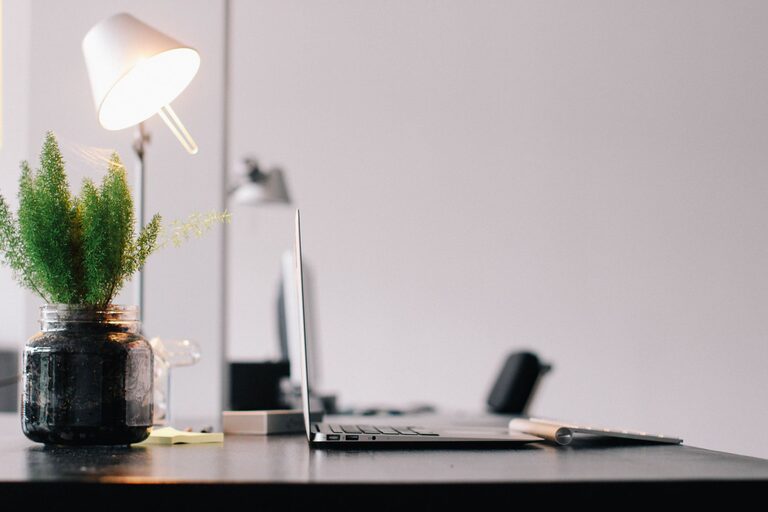
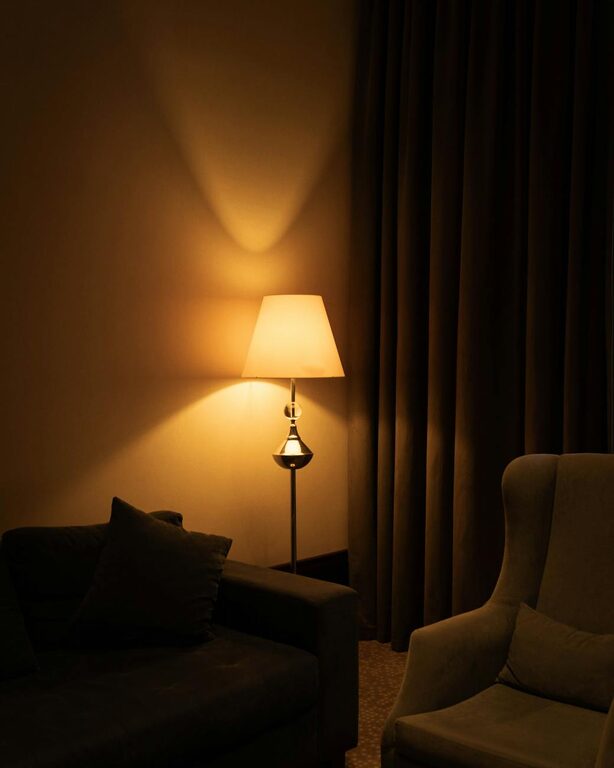
In addition to natural light, good artificial lighting is crucial, especially during darker months or in rooms without windows. Use a combination of ambient lighting (e.g., ceiling lights) and task lighting (such as a desk lamp) to create a well-lit environment that reduces eye strain.
Keep Your Workspace Organised
Clutter can make it difficult to focus and increase stress levels. Organising your workspace with practical storage solutions keeps your desk tidy and helps you find important documents and supplies quickly.
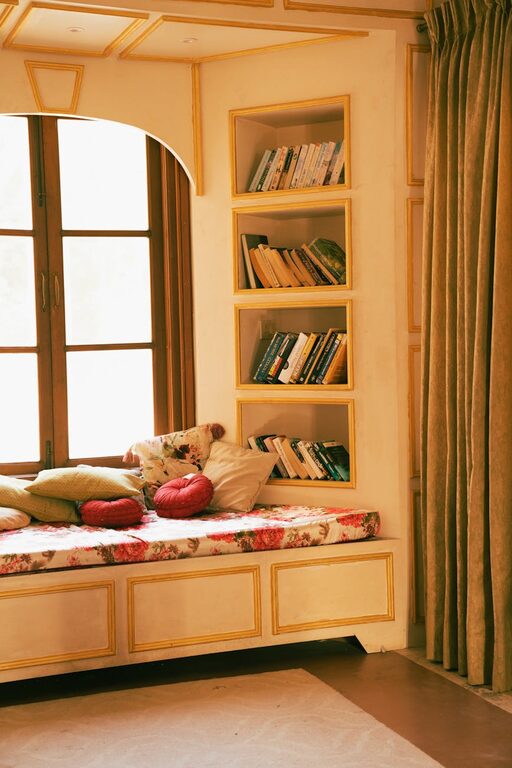
Use shelves, filing cabinets, or desk organisers to store items. Reserve only essential items on your desktop, such as your computer, notepad, and a few pens. Regularly clear out unnecessary clutter to maintain a clean and inviting space.
Personalise Your Space Thoughtfully
While it’s important to keep your home office functional, personalising your workspace with a few tasteful items can make it a more enjoyable place to be. Choose decorations that inspire you or create a calm atmosphere, such as plants, photos, or artwork.
Plants, in particular, are excellent additions as they improve air quality and add a touch of nature, which can help reduce stress. Avoid overcrowding your desk with too many items – keep personal touches simple and unobtrusive to maintain focus.
Minimise Distractions
Distractions are productivity’s biggest enemy, so identifying and minimising them is key. Turn off notifications on your phone or use apps that block distracting websites while you work. Inform family members or housemates of your work schedule to reduce interruptions.
If background noise is a problem, consider noise-cancelling headphones or white noise machines to create a more peaceful environment that helps you concentrate.
Invest in Reliable Technology and Supplies
Having the right technology and office supplies streamlines your work and prevents frustration. Ensure your internet connection is fast and stable to handle video calls and large file uploads.
Keep essential supplies like stationery, printer ink, and paper within easy reach to avoid unnecessary distractions caused by searching for items. Regularly update your software to maintain security and efficiency.
Establish a Routine and Set Boundaries
Finally, a productive home office is about more than just the physical space – it’s also about how you use it. Create a consistent work schedule to develop a routine that signals your brain when it’s time to focus.
Set clear boundaries between work and personal time. For example, avoid checking emails after a certain hour and take regular breaks to stretch and recharge. Leaving your home office at the end of the day, even if just physically stepping out of the room, signals the end of your workday and helps maintain work-life balance.
Conclusion
Designing a productive home office space is achievable with some thoughtful planning and organisation. From selecting the right location to investing in ergonomic furniture and good lighting, many small changes can make a big difference in your work-from-home experience. By minimising distractions, personalising your environment, and establishing healthy work routines, you can create a space that supports your productivity and wellbeing every day.
About the Author