Creating a home office that combines comfort with productivity is essential, especially as more people embrace remote working. A well-designed workspace can reduce distractions, increase focus, and improve your overall work-life balance. Whether you have a dedicated room or a small corner, here are practical tips to help you set up a comfortable and productive home office space.
Choose the Right Location
Consider Natural Light
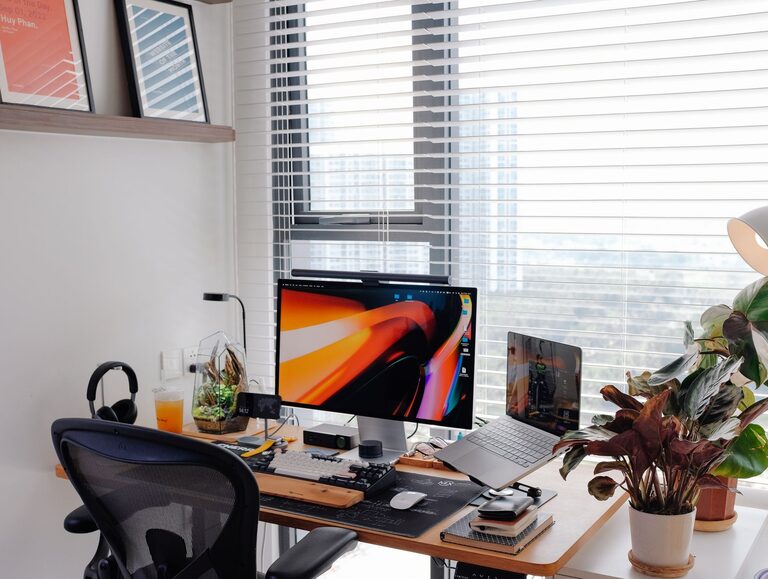
Wherever possible, position your desk near a window. Natural light can enhance your mood and reduce eye strain. If natural light is limited, invest in good quality lighting that mimics daylight.
Minimise Distractions
Select a spot away from noisy areas like the kitchen or living room. A quiet environment helps maintain concentration.
Invest in Ergonomic Furniture
Desk and Chair
Choose an adjustable chair that offers good lumbar support. Your desk should allow your arms to rest comfortably at a 90-degree angle. Consider height-adjustable desks if you want the flexibility to alternate between sitting and standing.
Organise for Comfort
Keep frequently used items within easy reach to reduce strain. A footrest can also improve posture and circulation.
Set Up Technology Thoughtfully
Reliable Internet and Equipment
Ensure your internet connection is fast and stable. Use a quality headset or microphone for virtual meetings to improve communication.
Cable Management
Keep cables organised with clips or cable ties to prevent clutter and reduce stress.
Personalise Your Space
Add Personal Touches
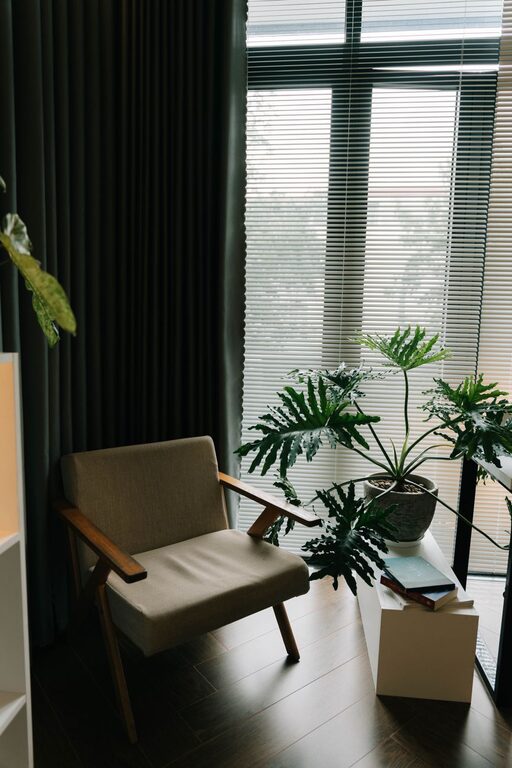
Incorporate plants, artwork, or photographs to make your workspace inviting. A pleasant environment supports creativity and motivation.
Use Colour Wisely
Choose calming colours like soft blues, greens, or neutrals. Avoid overly bright colours that may cause distraction or discomfort over time.
Keep It Organised
Storage Solutions
Use shelves, drawers, or filing cabinets to keep paperwork and supplies tidy. Clear surfaces help to maintain focus.
Daily Tidying
Spend a few minutes at the end of each day organising your desk. Arriving to a neat workspace can boost your productivity.
Establish Boundaries
Define Work Hours
Set clear start and finish times to separate work from personal life.
Communication
Inform family members or housemates about your working schedule to minimise interruptions.
Incorporate Breaks and Movement
Schedule Regular Breaks
Take short breaks every hour to rest your eyes and stretch your body. This helps prevent fatigue and improves concentration.
Movement
If space allows, add a small area for light exercises or stretching.
Maintain Good Air Quality
Ventilation
Open windows regularly to circulate fresh air. Consider an air purifier if needed.
Plants
Houseplants not only brighten the space but can also improve air quality.
Final Thoughts
Creating a comfortable and productive home office is about finding a balance between functionality and personal comfort. By carefully selecting your space, investing in ergonomic furniture, organising efficiently, and maintaining clear boundaries, you can create an environment that supports both your wellbeing and work goals. Remember, your workspace should inspire you to do your best every day.
About the Author